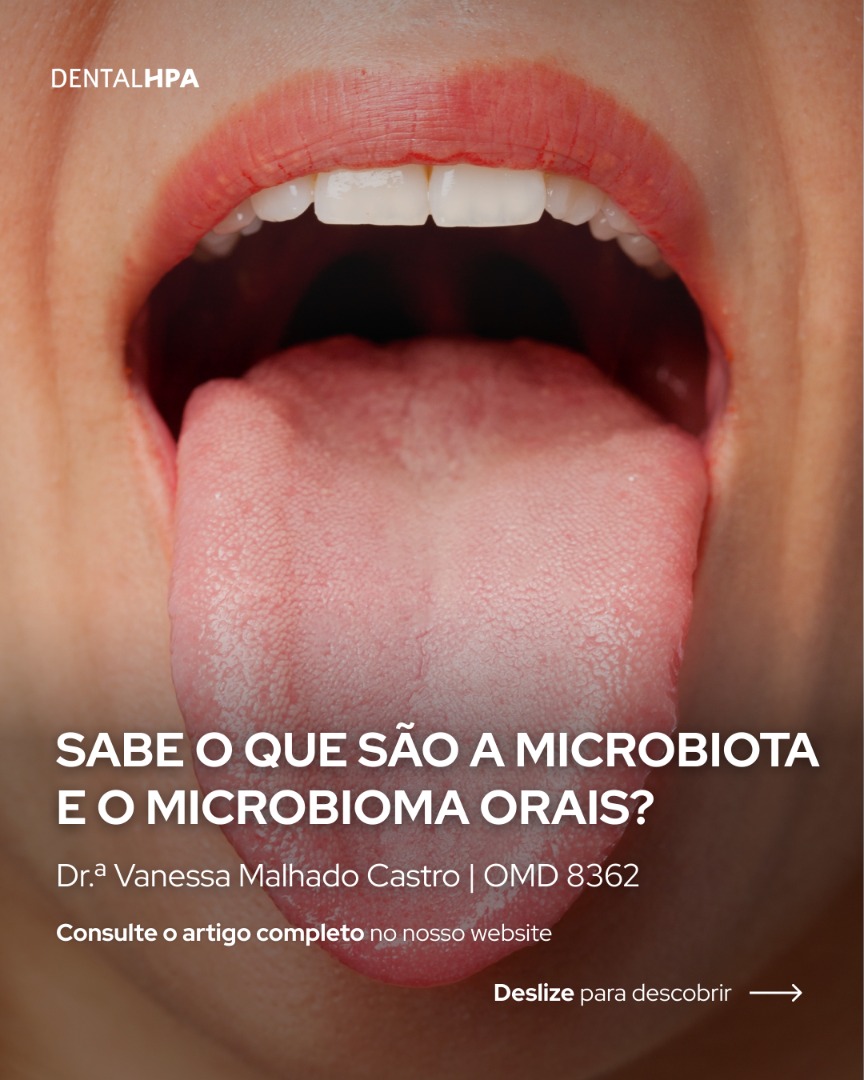





Various microorganisms inhabit different areas of the human body. It is estimated that humans may host around 100 trillion microorganisms of various species. This population is distributed across different zones of the body, such as the skin, intestines, lungs, and oral cavity, among others, playing a highly significant contributory role in maintaining homeostasis and modulating the immune system. Given the perceived importance of this commensal relationship, the Human Microbiome Project was established in 2007 by the National Institutes of Health (USA), aiming to study and map the human microbiome in detail and understand its influence on health and disease.
Oral microbiota and oral microbiome are two terms often used interchangeably, albeit incorrectly, to describe a community of cohabiting microorganisms. However, it is important to differentiate between these two concepts:
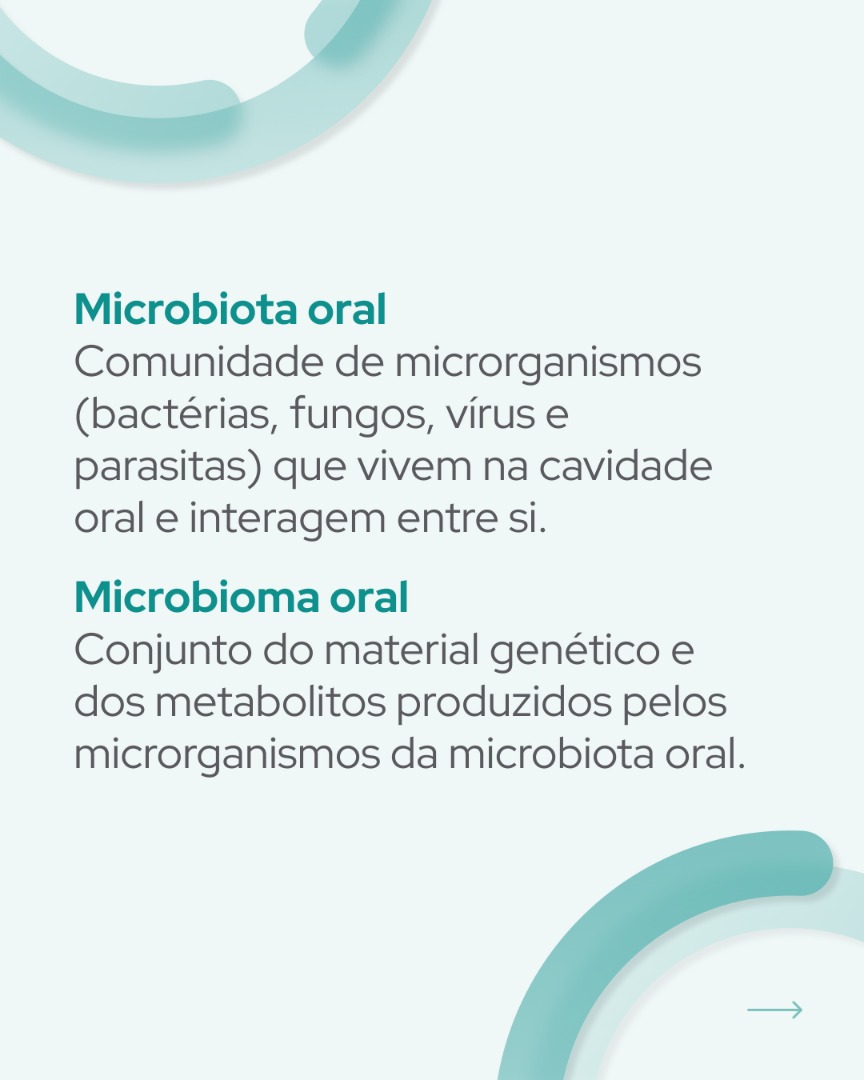
Oral Microbiota: Refers to the community of microorganisms (bacteria, fungi, parasites, and viruses) that inhabit the different surfaces of the oral cavity: teeth, tongue, mucous membranes, gingival sulcus, and palate, establishing relationships of symbiosis, commensalism, and pathogenicity.
Oral Microbiome: Refers to the genetic heritage (DNA and RNA) of the microorganisms that constitute the microbiota, as well as the substances or metabolites they produce in the surrounding environment. Studying the microbiome has allowed for an understanding of the relationships established within the oral ecosystem and how they influence both oral and systemic health.
Composition and Dynamics of the Oral Microbiota
The oral cavity contains the second largest community of resident microorganisms in the human body, surpassed only by the gut. It is estimated that the oral microbiota includes over 700 microbial species, belonging mostly to the Bacteria domain, but also including Archaea, protozoa, viruses, and fungi. Only 70% of these species can be cultured and, therefore, are capable of being studied.
The stable temperature of the oral cavity (averaging 37°C), its pH (6.5–7), and saliva create a favourable environment for most bacterial species. The primary challenge for colonising microorganisms is surviving the host's immune response. Consequently, they form biofilms: metabolically active mixed microbial communities composed of commensal microorganisms and potential pathogens, embedded in a self-produced complex matrix of organic polymers (polysaccharides and proteins) adhered to mucosal surfaces. Saliva is the most significant factor in the constitution and composition of oral biofilm, as it is responsible for delivering nutrients (peptides and carbohydrates), lubrication, temperature regulation, and host defence.
Resident Species in the Oral Cavity
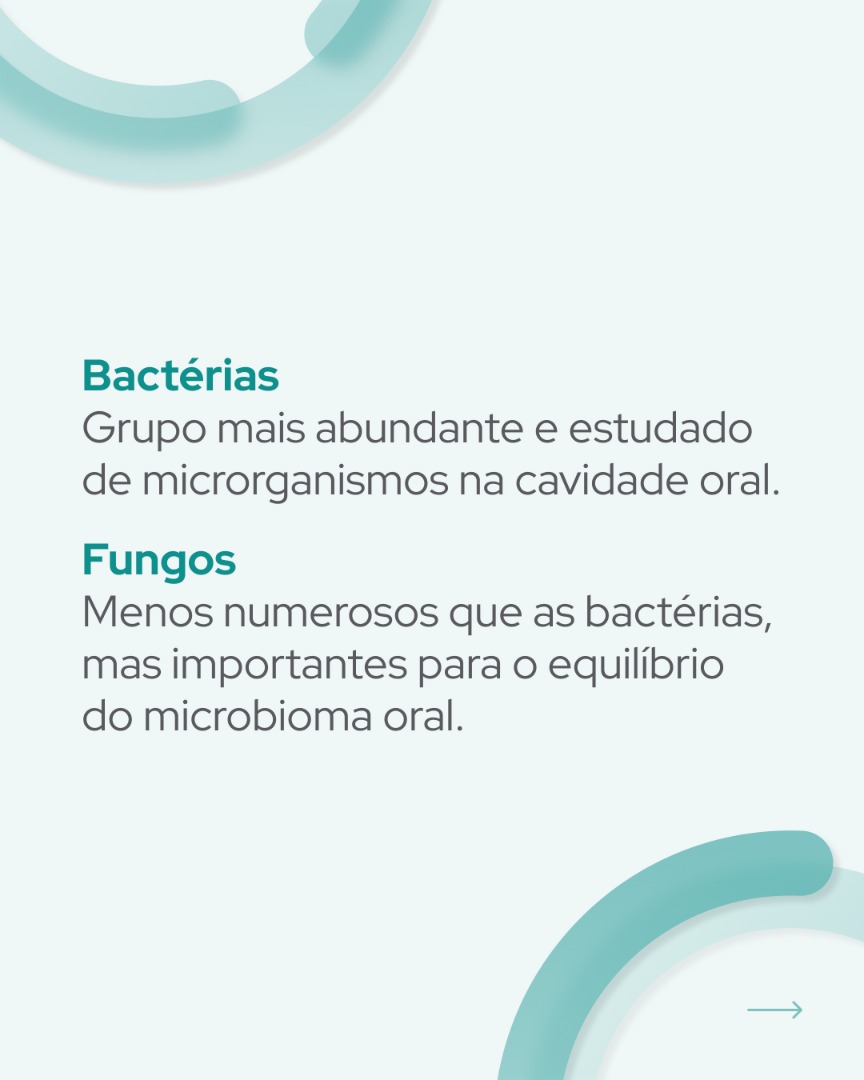
Bacteria: The most studied and abundant taxonomic group in the oral cavity.
Fungi: Present in smaller numbers compared to bacteria, yet they perform a vital role in maintaining the balance of the oral microbiome.
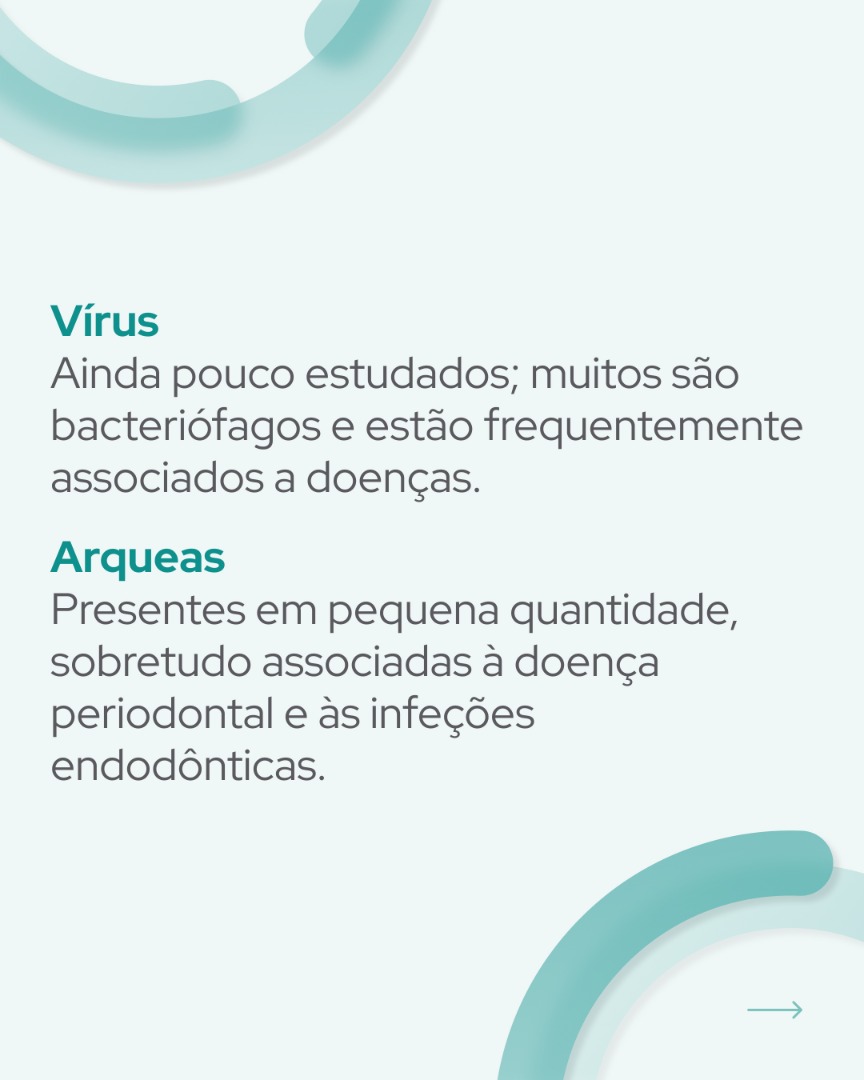
Viruses: Unlike bacteria and fungi, the contribution of viral species to health and disease remains to be fully clarified. Due to laboratory difficulties in cultivation, information on the oral virome is limited. Most oral viruses are thought to be bacteriophages (viruses that infect bacteria), which play a key role in regulating microbial diversity. Generally, viruses found in the oral cavity are associated with disease rather than benefits to the host.
Archaea: These appear in the minority and are restricted to a small number of methanogenic phylotypes. While present in healthy individuals, they are more prevalent in patients with periodontal disease and endodontic infections.
Changes Throughout Life Stages
The human microbiome can be divided into the core microbiome (common to a large percentage of the population) and the variable microbiome (unique to each individual). Due to its vulnerability and mutagenicity, the oral microbiome undergoes qualitative and quantitative changes across different ages, influenced by the mode of delivery at birth, genetics, environmental factors (dental hygiene, diet, stress, medication), and systemic factors.
Evolution of Colonisation: While the intrauterine environment was once thought to be sterile, studies show colonisation in 70% of pregnant women, particularly in the amniotic fluid. During birth, the baby contacts the mother's uterine and vaginal microflora. Colonisation is further influenced by the first feeding process (breastfeeding vs. formula).
Infancy: Around 5–6 months, with the introduction of food and the eruption of the first teeth, anaerobic microorganisms emerge. Children typically have a lower microbial load but greater diversity than their parents.
Adulthood: The microbiome reaches its peak complexity, shaped by diet, pets, social interaction, smoking, and stress.
The Elderly: Biological and environmental changes—such as reduced salivary flow, systemic diseases, use of dentures, and hygiene habits—lead to a decline in microbial diversity and alterations in symbiotic relationships.
Functions and Importance to Health
Microorganisms can easily access the bloodstream through gingival crevices or untreated caries, spreading to different parts of the body. In this context, the oral cavity is a gateway to the systemic pathway.
A breakdown in harmony (dysbiosis) between beneficial and pathogenic species can influence various conditions:
Local: Dental caries, periodontal disease, halitosis, and oral cancer.
Systemic: Diabetes mellitus, Alzheimer's disease, bacterial endocarditis, ischaemic stroke, cardiovascular disease, pancreatic cancer, paediatric Crohn's disease, and pneumonia.
Periodontal disease in pregnant women is also linked to premature births and low birth weight.
Strategies for Maintaining Balance (Eubiosis)
To prevent oral and systemic pathologies, the oral microbiome must remain in sync with the host. Recommended strategies include:
· Adequate oral hygiene: Brushing 2 to 3 times a day and flossing.
· Balanced diet: Low sugar intake.
· Lifestyle: Avoiding smoking and excessive alcohol consumption.
· Responsible medicine: Rational use of antibiotics.
· Hydration: Stimulating salivary flow through proper water intake.
· Professional care: Regular dental appointments.
Distinguishing between microbiota (the population) and microbiome (population + genetic function + metabolic function) is fundamental to understanding health and disease. Maintaining homeostasis through healthy habits ensures that commensal microorganisms continue to protect the host from pathogens, ensuring overall well-being.
Content developed by Dr Vanessa Castro